Hearing Aid FAQs


What Are Over-the-Counter (OTC) Hearing Aids?
Over-the-counter hearing aids are devices that you can buy directly from traditional retailers and pharmacies, like CVS, Walgreens or Costco, without a prescription or needing to meet with an Audiologist at Coastal ENT.
Who Is a Good Candidate for OTC Hearing Aids versus Prescription Hearing Aids?
OTC hearing aids are for adults 18 years of age or older who believe they have mild-to-moderate hearing loss. You may have mild-to-moderate hearing loss if:
- Sounds or speech seem quiet or muted to you
- You have trouble hearing in a group setting like in a restaurant, speaking on the phone, or need to face people/reading lips
- You ask others to repeat themselves or speak louder
- TV/Radio is at the highest volume
Can Children Use OTC Hearing Aids?
Currently, the FDA regulations state that OTC hearing aids are for adults (18 years of age or older). Children should see an Audiologist at Coastal ENT if they are having issues hearing properly.
What Are the Benefits and Concerns Associated with OTC Hearing Aids?
PROS: Lower cost and ease of purchase of these devices
CON: If the individual’s hearing loss comes from a medical problem, it is best to see a physician at Coastal ENT and/or an Audiologist. These conditions would be missed without an evaluation by a hearing health professional. Pain and infection can be caused by the fit of the hearing aid. If your OTC hearing aid becomes painful to put in your ear, you should see an physician at Coastal ENT or an Audiologist.
How Much Will OTC Hearing Aids Cost?
With telephone-based help and remote programming of the devices charge, OTC hearing aids can cost approximately $1,500 to $3,000. Off-the-shelf devices that do not offer those services may cost approximately $200 to $800 for a pair of devices.
Will My Insurance, Medicare, and/or Medicaid Cover OTC Hearing Aids?
Medicare currently does not cover any hearing aids. Medicaid coverage for those over 18 years old will vary by state, and you have to check with your Medicaid program. Some private health insurance plans do not cover the cost of hearing aids, so you should check with your particular insurance regarding coverage for OTC hearing aids.
Common Questions about OTC Hearing Aids
Finding the right device for you may be challenging. As more devices become available, it may become easier to select the right device for you. You should also consider these issues:
- Is it waterproof?
- Does it block out background sound?
- Does it have Bluetooth capability?
- Is it compatible with your smart phone?
- Does it come with an app to help customize my individual hearing profile?
- How long does the battery last? Is it rechargeable?
- Does it have adequate and understandable sizing choices?
Are There Other Types of Hearing Devices I Should Consider?
For people with the type of hearing loss that would benefit from OTC hearing aids, there are additional options you may consider:
- A personal amplification device may be helpful and possibly less expensive than OTC hearing aids. These devices are typically a “boxy” receiver attached to headphones and are therefore bulkier than what you would expect from hearing aids. One example is a pocket talker.
- Personal sound amplification products (PSAPs) amplify sound for the user but are intended for people with normal hearing to amplify sounds in certain situations, such as recreational activities like birdwatching, according to the FDA. PSAPs are regulated as consumer electronics and not medical devices.
- Traditional prescription hearing aids from an ENT specialist or audiologist are a good choice if you are not getting the boost you would like from OTC hearing aids. OTC devices are not tuned to a hearing test, but prescription hearing aids are tuned to your exact level of hearing.
What Are FDA “Red Flag” Conditions and What Do They Mean?
If any of the “red flags” below apply to you, we suggest you see a physician and/or Audiologist at Coastal ENT.
- Your ear has a birth defect or an usual shape or your ear was injured or deformed in an accident.
- You have had blood, pus, or fluid coming out of your ear during the past six months.
- Your ear feels painful or uncomfortable.
- You have a lot of ear wax, or you think something could be in your ear.
- You feel dizzy or have a feeling of spinning or swaying (called vertigo).
- Your hearing changed suddenly in the past six months.
- Your hearing gets worse then gets better again.
- You have worse hearing in one ear.
- You hear ringing or buzzing in only one ear.
Are There Other Resources Available to Learn More About Hearing Loss?
https://www.nia.nih.gov/health/hearing-loss-common-problem-older-adults
https://www.enthealth.org/be_ent_smart/otc-hearing-aids-faqs/
Do all hearing losses require hearing aids?
After performing a thorough evaluation of your hearing, your hearing healthcare professional will be able to determine the nature of your hearing impairment. If the problem can be treated with medicine or surgical intervention, your provider will present those options to you. Otherwise, hearing losses due to such things as aging and noise exposure are generally treated with hearing aids.
Aren’t hearing aids just for old people?
Hearing aids are designed for people with hearing deficits and are not age specific. Sixty-five percent of individuals with hearing loss are under age 65.
If I am deaf in one ear, can I still get a hearing aid for that ear?
A medical professional should first determine whether the deficit can be treated with surgery or medication. If neither of those options is feasible, there are potential options for amplification including:
- CROS hearing aids a type of device where the sound is sent from the deaf ear to the good ear.
- BAHA: A bone anchored hearing device uses a sound processor which connects to a surgically implanted titanium screw behind the ear with hearing loss. The sound processor transfers the sound through the skull via bone conduction to the better hearing ear.
Both of these options can be demonstrated in the office to determine if the patient notices benefit from either device.
Will hearing aids cure my hearing loss?
Hearing aids can improve your ability to hear and communicate, but they do not cure hearing loss. They are sophisticated devices that assist in addressing hearing issues. There may still be some situations that are challenging; however, even those with normal hearing struggle at times in certain difficult environments.
Will hearing aids help with the ringing in my ears?
Tinnitus, or unwanted sound in your ears, affects many people. The underlying cause of tinnitus is frequently hearing loss. Through the use of hearing aids, many people report a reduction in tinnitus due to constant sound stimulation. For those with more advanced cases, certain hearing aids are equipped with special listening programs to reduce the impact of the tinnitus in your ears. However, hearing aids are not designed to cure tinnitus. As a result, the purchase of hearing aids is fundamental to assist your hearing. Tinnitus reduction is a bonus.
Will hearing aids help my cognitive abilities? Will it stop dementia or Alzheimer’s disease?
Research has shown that there is a connection between hearing loss and cognitive decline. Those with hearing loss are more likely to have problems remembering and thinking than those with normal hearing. Why is this? Brain shrinkage, which occurs as part of aging, is sped up in those with hearing decline. There is an increased risk of dementia and mental health. Yet if you are predisposed to dementia, Alzheimer’s, or other issue, wearing a hearing aid will not stop it from occurring.
Are there different types and styles of hearing aids?
Absolutely! Technological advancements have allowed hearing aid manufactures to create many different types of hearing aids for many different needs. Most importantly, there are different types depending on your lifestyle, specifically how often you are in noisy or challenging environments. When you discuss the purchase of a hearing aid, the professional you work with will discuss your lifestyle needs, dexterity, budget, and things of the like to help narrow down the best option for you!

What happens if my hearing changes when I have my hearing aids?
Hearing aids are programmable and adjustable; therefore, they can be adjusted if your hearing continues to gradually decline. If you are experiencing increased difficulty hearing, your professional will re-test your hearing aid adjust the hearing aids for the loss.
How much do hearing aids cost?
Hearing aids vary in price depending on the sophistication of the product. The best way to find a perfect pair for you is to contact a hearing aid professional near you.
Is it hard to get used to wearing hearing aids?
When we start to wear hearing aids, many of the sounds that we have forgotten return. For some, this is an eye-opening experience. Just as it took time for our hearing to decline, it takes time to get used to hearing again. Your professional will work with you to ease you into better hearing and provide a comfortable transition into the use of hearing aids.
Do hearing aids have warranties in case something goes wrong?
Yes, all hearing devices come with a warranty for repair, loss, and damage. The loss portion of the warranty allows the user to replace the hearing aid one time during that warranty period if it is lost.
Should I buy a cheaper hearing aid or one that is online?
Cheaper hearing aids provide less benefit, as they are not capable of performing as well in the presence of background noise, assisting with multiple speakers, and finding specific sounds in more open spaces. However, if your needs are basic, such as just hearing one-on-one conversation or the television, less sophisticated hearing aids may be an option for you. Through a comprehensive evaluation, the appropriate product will be recommended for you, which cannot be accomplished online.
How long will it take to get used to wearing a hearing aid?
You don’t simply pop a hearing aid into your ear and happily move on to great hearing — there is an adjustment period. Human hearing is incredibly rich and detailed, and hearing aids won’t return your hearing to normal, natural hearing quality. You have to remember, hearing aids are amplifying sounds you want to hear. This is a process of relearning how to hear. The learning curve is quite variable depending on the person, taking anywhere from six weeks to six months.
Patience is important. These are a few issues you may find yourself dealing with. Your own voice will sound different, and it may sound too loud. You’ll hear environmental sounds that you have not been hearing, and much of it you may not really want to hear. Your brain needs time to acclimate to hearing better.
These are the kinds of things you’ll need to adjust to, and your brain will need to adjust too. It’s a process, but you’ll love being able to hear more effectively again.
How do you know if you need a hearing aid or a cochlear implant?
The determination depends on the severity of the hearing loss. Most hearing losses can be effectively treated with hearing aids, allowing for a clear understanding of various situations. However, certain hearing losses are too severe for hearing aids. As a hearing loss gets greater and greater, the ability to understand amplified words declines. After ineffective trials with hearing aids, a patient may be evaluated for a cochlear implant. A cochlear implant is an invasive surgery that can be performed by special doctors called neurotologists.
How long do hearing aids last?

People sometimes expect a hearing aid to last as long as a medical prosthetic such as an artificial knee or a dental implant. But this is unrealistic. You have to remember these are miniature computers responsible for broadcasting for up to 18 hours a day. Plus, they have to deal with the elements, being regularly exposed to sweat, skin oil, moisture, dust, wax, and more.Hearing aids come with a warranty that covers malfunction for the first 1-3 years, depending on the level of technology. Once the warranty expires, the hearing aids typically can be repaired at an additional cost. As the aids become older, they are more likely to breakdown and the cost of the repairs becomes higher. Manufacturers may stop making the parts or stop repairing devices once they are several years old. As technology advances so quickly, it is often recommended to try new hearing aids after 5 years to determine if hearing can be further improved.
Do I sleep with my hearing aids in?
You can wear your hearing aids when sleeping, but you shouldn’t. There are two reasons why they need to be on the dresser and not in your ear. First, tossing and turning and contact with the pillow can create feedback in your hearing aids and it causes unnecessary wear and tear on the devices. Second, your ear canals need a chance to get some air and take a break from your hearing aids. When you remove your hearing aids, open the battery compartment, as this will allow them to fully dry out; plus, it will save battery power. They should be kept in a safe place (i.e. in the case) and away from animals and small children when not being worn.
Can I wear my hearing aids when showering, in the bath, or swimming?
Nope. While your hearing aids are water resistant, in case of the occasional drop of rain or sweat, they are not designed for full water contact. These are highly engineered electrical devices, so keep them out of the water. This includes even being in the bathroom when you’re showering, as your hearing aids don’t need the humidity. And if you’re using hairspray or other styling products, put your hearing aids in after using the hair products.
Does insurance cover hearing aids?
Hearing aids formerly were not covered by health insurance, but that is changing as the population ages. Some health plans now have some degree of hearing aid coverage. At Coastal Ear, Nose & Throat, we find out your insurance benefit for hearing aids and provide you with the information at the time of the hearing aid consultation so that you are informed.
How Do I Clean My Hearing Aids And How Often Should I Clean Them?
Get The Right Tools
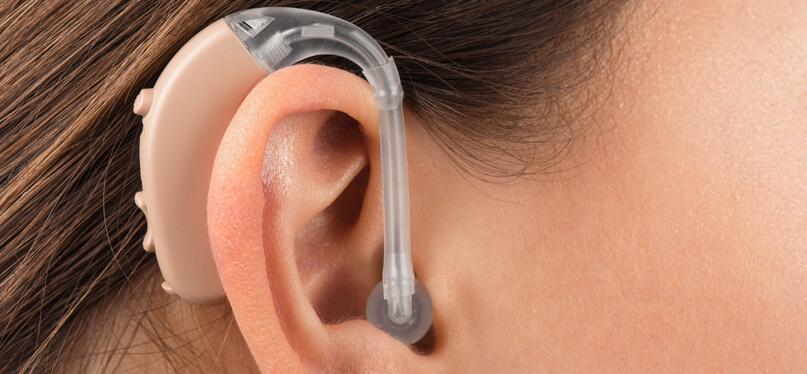
You’ll need a wax pick and brush. Plus, a bulb blower is necessary for tubing in the behind-the-ear style. On receiver-in-the-ear devices, wax traps and domes are replaceable components that you can change yourself at home if they become blocked with ear wax.
Get In The Habit
Be sure you don’t set up your hearing aids for accidental water damage. If your hygiene routine of showering and washing your face is a morning thing, then leave your hearing aids out of the bathroom so that you don’t accidentally leave them in when showering or knock them into the sink.
Clean Them Every Day
The time to clean your hearing aids is every night before bed. Don’t use chemical wipes or alcohol. Cleaning them before bed gives the hearing aids several hours to air out before returning to duty.
Cleaning in-the-ear hearing aids:
- Clean the openings in the aids, including the microphone ports. Use a soft hearing aid brush to clear away built-up wax. When cleaning these openings, face the openings downward, so debris falls out rather than lodging inside.
- Use a wax pick to clear anything out of the holes that didn’t come out with the brush.
- Wipe the entire device with a clean, dry cloth or tissue.
Cleaning behind-the-ear hearing aids:
- Give the aid a once over examination and remove any debris from the device with a soft brush or dry cloth.
- Remove the earmold from the hook to clean it. Wipe the earmolds clean daily, and soak them in warm soapy water once a week. Allow the earmolds to dry completely overnight before putting them back on. They should not have a strong odor, as that is a sign of an infection growing in the earmold.
- Force any remaining water out of the tubing with a bulb blower before allowing them to dry overnight.
Contact Us!
If you live in the Neptune, Manahawkin or Holmdel, New Jersey area and would like to learn more about hearing loss from Coastal Ear Nose & Throat call us at (732) 280-7855 or fill out a Contact Form here.