
Can Vaccines Prevent Ear Infections?
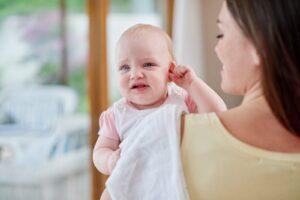
If you’re a parent, you know the signs: fussiness, tugging at the ear, and sleepless nights. Ear infections, especially in young children, are incredibly common. But what if one of the best tools for preventing them is already part of your child’s routine vaccine schedule?
The answer is a resounding “YES”: Vaccines can, and do, help prevent many ear infections. (1)
While there’s no single “ear infection vaccine”, routine immunizations provide powerful, indirect protection.
How Can a Vaccine Prevent an Ear Infection?
Ear infections are rarely the primary illness. They are usually a secondary complication triggered by another sickness, like a cold or the flu.
Here’s how it happens:
- A virus causes inflammation and swelling in the nasal passages and Eustachian tubes.
- The swelling blocks normal drainage, trapping fluid in the middle ear.
- Bacteria or viruses multiply in this fluid, causing a painful infection.
Vaccines break this chain at the first step. By preventing the initial illnesses, they stop the process before it begins.
The Role of the Pneumococcal Conjugate Vaccine (PCV13)
The pneumococcal conjugate vaccine (PCV13) is a superstar in pediatric healthcare. It’s designed to protect against the most common strains of pneumococcal bacteria.
- For Infants and Young Children: The vaccine is highly effective and is a standard part of the immunization schedule. The CDC recommends doses at 2, 4, 6, and 12-15 months of age.
- How Well It Works: The vaccine is up to 97% effective at preventing serious invasive disease caused by the strains it covers. While it doesn’t prevent all ear infections (as they can be caused by other bacteria and viruses), studies have shown it significantly reduces the number of children suffering from them.
Other Vaccines That Help Prevent Ear Infections
While the PCV13 is a major preventative tool, it’s part of a broader strategy. Other vaccines also play a crucial role:
- The Flu (Influenza) Vaccine: The flu virus often leads to secondary bacterial infections, including ear infections. Getting an annual flu shot for everyone 6 months and older helps prevent the initial viral illness that can open the door for bacteria like pneumococcus to cause an ear infection. (2)
- The Future of Prevention: Researchers are also working on vaccines against other culprits like nontypeable Haemophilus influenzae (NTHi) and Moraxella catarrhalis —two common bacteria that cause middle ear infections. These vaccines could dramatically reduce the prevalence of otitis media in the years to come.
Frequently Asked Questions from Parents
Q: Is the vaccine safe for my child?
A: Yes. Like all vaccines, it can have side effects, but they are usually mild and temporary. The most common include redness, swelling, or tenderness at the injection site, and a mild fever. Serious side effects, like allergic reactions, are very rare.
Q: My child still got an ear infection after being vaccinated. Why?
A: The vaccine protects against the strains of pneumococcus it’s designed for, but ear infections can be caused by other bacteria and viruses. The vaccine significantly reduces the risk but cannot eliminate it entirely. However, data shows it has made a substantial dent in the number of cases.
Q: Are vaccines the only way to prevent ear infections?
A: No. Vaccines are your most powerful tool, but they work best as part of a strategy:
- Practice good hygiene (frequent handwashing).
- Breastfeed infants, if possible, as it provides protective antibodies. (3)
- Avoid secondhand smoke, which irritates the Eustachian tubes. (4)
- Feed babies upright to prevent milk from flowing into the ears.
Practical Tips for Parents
- Stay Up to Date on Vaccinations: This is your first and best line of defense. Ensure your child receives all recommended doses of the pneumococcal conjugate vaccine (PCV) and the annual flu vaccine.
- Practice Good Hygiene: Regular handwashing for the whole family can help stop the spread of germs that cause respiratory illnesses leading to ear infections.
- Know When to See a Doctor: If you suspect your child has an ear infection, contact your healthcare provider. They can provide a proper diagnosis and recommend the best course of treatment, which may include watchful waiting or antibiotics.
Fellowship-Trained Pediatric ENT Specialists and Expert Audiologists in New Jersey
Ready to protect your child? Schedule a well visit with our fellowship-trained pediatric ENTs to ensure their vaccinations are up to date and to discuss any concerns about ear health.
At Coastal Ear, Nose, and Throat, we are committed to helping patients in our community with their health and wellness needs. If you are struggling with consistent ear infections or are dealing with a child with chronic problems, it may be time for an assessment with an ENT professional. An appointment with our doctors can be done online. We also encourage you to explore our educational resources to learn more about conditions that interest you.
References:
- Fortanier, A. C., et al. (2019). Pneumococcal conjugate vaccines for preventing otitis media. The Cochrane Database of Systematic Reviews, 2019(5). (A systematic review concluding that PCV vaccines are effective in reducing the burden of acute otitis media).
- Principi, N., & Esposito, S. (2018). The role of vaccines in preventing bacterial otitis media. Vaccine, 36(39), 5783-5789.
Block, S. L., et al. (2011). The efficacy of live attenuated influenza vaccine against influenza-associated acute otitis media in children. The Pediatric Infectious Disease Journal, 30(3), 203-207. - American Academy of Pediatrics. (2012). Breastfeeding and the use of human milk. Pediatrics, 129(3), e827-e841.
Bowatte, G., et al. (2015). Breastfeeding and childhood acute otitis media: a systematic review and meta-analysis. Acta Paediatrica, 104(467), 85-95. - Jones, L. L., et al. (2012). Parental smoking and the risk of middle ear disease in children: a systematic review and meta-analysis. Archives of Pediatrics & Adolescent Medicine, 166(1), 18-27.
Categories
- Telehealth (3)
- Coastal Hearing & Balance Center (24)
- Cochlear Implants (1)
- BAHA (3)
- Hearing Aids (10)
- Pediatric Hearing (6)
- Coastal Surgery Center (3)
- Custom Earmolds (1)
- Dizziness – Vertigo – Ménière's Disease (5)
- Ear Specialist (2)
- Hearing Loss (9)
- Hoarseness and Swallowing Disorders (3)
- Allergy Treatment (15)
- Bell's Palsy & Facial Paralysis (2)
- Coastal Ear, Nose & Throat (16)
- Laryngology & Voice (7)
- Sinusitis (12)
- Skin Care (1)
- Skull Base Surgery (1)
- Sleep Apnea (7)
- Snoring (5)
- Sore Throat (2)
- Thyroid Condition (3)
- Tinnitus (2)
- Tonsillectomy (5)
- Others (28)
Blogs
Archives
- Press Release
- Articles
- Newsletter [View Archives]