
Anosmia (Lack of Smell)

Anosmia is a condition in which a person completely loses the sense of smell. Depending on the reason for its loss, the condition may be temporary or permanent. Common causes of temporary anosmia include colds, allergies and sinus infections, and viral infections such as the flu. Aging is also a factor.
Causes of Anosmia
More-serious causes of total or partial loss of the sense of smell include the following:
- Birth defects such as bone deformities
- Brain tumors
- Certain medications
- Cocaine abuse
- Diseases such as Alzheimer's, Parkinson's and multiple sclerosis
- Hormone disturbances
- Injury to the nose
- Nasal polyps
- Nutritional deficiencies
- Radiation therapy for head or neck cancer
- Smoking
- Toxic chemical exposure
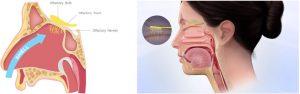
The causes of anosmia may be diagnosed through physical examination of the interior of the nose using an endoscope, or with an MRI scan. Although not a harmful condition on its own, anosmia often leads to a loss of interest in food, which can cause weight loss and malnutrition. Anosmia may also affect quality of life by destroying the ability to experience pleasurable smells. And patients with anosmia are more likely to consume spoiled, tainted or unsafe food, and be less aware of smells, such as smoke or natural gas, that indicate imminent danger.
Treatment of Anosmia
Treatment of anosmia depends on its cause. When caused by a viral infection or an allergic reaction, it will usually clear up on its own, though an over-the-counter decongestant may open the nasal passages and provide some relief. If anosmia results from an infection, an antibiotic may be prescribed. When it is the result of a nasal polyp or other obstruction, surgery may be required. When it results from a particular medication, discontinuing taking the medication or substituting another may be done under a doctor's supervision. If the anosmia results from a disease, however, there may be no effective remedy. Smell training has helped in some cases.
When anosmia cannot be cured medically, the patient can be taught to adapt to the condition. It is important for a patient with anosmia to have smoke detectors in the home, and to make sure food has not spoiled or become contaminated.
Pediatric Ear, Nose and Throat
 Tonsils and Adenoids
- Ear infections
- Ear Tubes
- Hearing
- Nasal Obstruction
- Nasal Polyps
- Adenoid Hypertrophy
- Speech Delay
- Nosebleeds (epistaxis)
- Post Nasal Drip
- Sinusitis
- Airway and Breathing Disorders
- Laryngomalacia
- Laryngoscopy & Nasopharyngoscopy
- Voice Disorder
- Nasal Fracture
- Neck Masses
- Tongue Tie / Ankyloglossia
- Bone-anchored hearing aid (BAHA)
- Cochlear Implants
- Tracheostomy
- Allergic and Chronic Rhinitis
- Nasopharyngeal Tumors
- Tear Duct Obstruction
- Tearing And Eye Surgery
- Anosmia (Lack of Smell)
- Cerebral Spinal Fluid Leaks
- Sinonasal and Skull Base Tumors